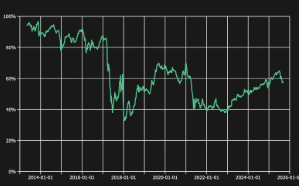
Blockchain-enabled gaming economies enable verifiable scarcity and cross-title ownership, creating liquid markets for in-game assets and real-time pricing signals. Tokenization links asset utility to measurable demand, alignment of incentives, and durable provenance. Designs must balance play-to-earn dynamics with risk controls, while governance and metadata standards sustain interoperability. UX and regulatory clarity matter for trust and scale. The question remains: how will cross-game liquidity reshape incentives and long-term sustainability across ecosystems?
What Blockchain Brings to Game Economies
Blockchain introduces verifiable scarcity and transferable value to game economies, enabling players to own, trade, and monetize in-game assets across titles and platforms.
The approach emphasizes tokenization scarcity as a mechanism for liquidity, aligning incentives toward efficient markets.
However, player ownership risks regulation, requiring transparent governance, standardized metadata, and risk-aware protocols to sustain freedom while preserving system integrity.
Tokenization, Scarcity, and Player Ownership
Tokenization converts in-game assets into transferable, verifiable units, enabling liquid markets where scarcity and utility are quantifiable rather than assumed. This frame emphasizes data-driven liquidity, incentive alignment, and transparent valuation signals. Tokenization challenges persist in standardizing metadata and cross-chain interoperability, while ownership validation remains essential for trust, preventing double-spend, and sustaining durable player-driven markets with verifiable provenance and enforceable rights.
Designing Play‑to‑Earn and Cross‑Game Liquidity
The framework emphasizes data-driven metrics, liquidity provisioning, and adaptive pricing to sustain participation.
Cross-title markets enable seamless asset mobility, reducing frictions and empowering players to optimize returns while preserving system integrity and freedom of choice.
Risks, Regulation, and UX for Sustainable Ecosystems
What are the principal risks and regulatory considerations shaping sustainable gaming ecosystems, and how do they interact with liquidity incentives and user experience? The analysis quantifies governance fatigue risks, liquidity volatility, and regulatory clarity gaps, linking incentives to UX signals. Data-driven insights reveal friction points, adoption thresholds, and compliance costs, guiding scalable governance. Fiscal prudence enables freedom without fragility.
Frequently Asked Questions
What Are the Costs of Integrating Blockchain Into Existing Games?
Integration costs vary by scope, but generally estimate upfront infrastructure, tokenomics, and compliance expenses; ongoing maintenance and security drain. Upgrade pathways influence liquidity incentives, user onboarding, and interoperability, shaping ROI through data-driven, freedom-focused adoption and incentive-aware scaling.
How Do Blockchain Games Handle Cheating and Exploits?
Cheating is deterred through rigorous on-chain and server-side checks, with exploit mitigation prioritized via immutable audits, anomaly detection, and incentive-aligned penalties; data-driven metrics guide adjustments to maintain liquidity and encourage freedom-respecting participation.
Can Players Monetize Non-Game Assets on Blockchain Platforms?
Yes, players can monetize non-game assets on blockchain platforms, leveraging platform monetization models that monetize tokenized items, licenses, and virtual land; liquidity is enhanced by marketplaces, liquidity pools, and fee structures, aligning incentives with freedom-seeking participants.
What Experiences Exist for Cross-Platform Player Communities?
Cross-platform communities exist via shared ecosystems and federated wallets, with cross chain interoperability enabling asset and data movement. The approach emphasizes liquidity, incentives, and data-driven metrics, appealing to freedom-seeking players seeking seamless, cross-network participation and reward scalability.
See also: octetnews
How Is Long-Term Game Balance Maintained With Token Incentives?
Long term balance is maintained through dynamic token incentives, cross platform communities alignment, and robust cheating prevention; integration costs are weighed against non game assets value, ensuring liquidity, transparency, and resilient ecosystems without undermining player freedom.
Conclusion
In a ledger of endless trades, value is visible yet never fully contained. Tokenization elevates scarcity, while ownership becomes portable across titles, boosting liquidity and measurable incentives. Yet risks—regulatory drift, opacity, UX frictions—act as counterweights, demanding disciplined governance. The data-driven path aligns players, developers, and markets toward sustainable ecosystems, where robust metadata and provenance convert scarcity into real utility. Juxtaposed futures emerge: frictionless liquidity on one hand, guarded stewardship on the other.