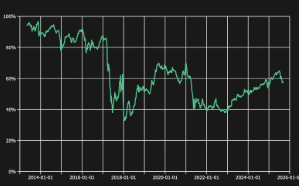
Market dominance metrics compile standardized indicators to compare strength, durability, and market structure. They separate transient gains from durable advantages by examining concentration, barriers to entry, and pricing power. Network effects, loyalty, and resilience inform the true competitiveness beyond share figures. Contextual signals—timing, regulatory environment, and competitive dynamics—shape interpretation. The framework invites careful policy assessment, but uncertainty remains about how these metrics translate into value creation under real-world constraints.
What Dominance Really Means: Core Metrics to Watch
Market dominance is best understood through standardized metrics that quantify a firm’s relative strength and sustainability. The analysis hinges on objective indicators—market structure, concentration, and barriers to entry—that illuminate competitive dynamics. This framework enables policymakers and observers to assess resilience, efficiency, and ongoing potential, separating durable advantage from transient gains, and guiding decisions about regulation, competition promotion, and strategic freedom for entrants.
How Market Share Relates to Pricing Power and Profitability
As the previous discussion established that dominance metrics derive from structure, concentration, and barriers, the relationship between a firm’s market share and its pricing power, alongside profitability, warrants focused examination.
Pricing leverage emerges when market share supports sustainable price above marginal cost, improving margin resilience; however, the link is not automatic, varying with competition, demand elasticity, and cost structure, not relevant to other H2s.
Network Effects, Loyalty, and Resilience: The Hidden Strengths
Network effects, loyalty, and resilience constitute a triad of hidden strengths that can reinforce competitive position beyond traditional measures of size or price power. An analytical framing quantifies network effects as userbase externalities, measures loyalty signals via retention and engagement metrics, and tracks resilience indicators under stress scenarios. Data-driven policy implications emphasize durable value creation, competitive neutrality, and freedom-enhancing market adaptability.
Contextual Signals: Timing, Competition, and Regulation That Shift Dominance
Contextual signals such as timing, competitive dynamics, and regulatory developments frequently alter the trajectory of market dominance. This section analyzes how timing signals influence competitive positioning, with empirical thresholds indicating when incumbents lose leverage and entrants gain momentum. It also assesses regulatory shifts, their potential to recalibrate barriers, enforce transparency, and reallocate market share, shaping durable dominance and policy efficacy.
See also: Blockchain in Insurance Industry
Frequently Asked Questions
How Do Regional Regulations Affect Dominance in Practice?
Regional regulation impacts dominance by constraining expansion, elevating compliance costs, and shaping market access. Operational compliance requirements influence timing and scale, while data-driven assessments reveal how policy variance alters competitive advantages for regional players seeking freedom to operate.
Can a Dominant Firm Lose Dominance Overnight?
A striking 35% market shift in a single quarter illustrates an overnight loss potential. A dominant firm can lose dominance overnight due to regulatory changes, disruptive entrants, or rapid technological pivots, with policy responses shaping competitive dynamics and outcomes.
What Role Do Data Quality and Measurement Gaps Play?
Data quality and measurement gaps shape assessments of market power by introducing bias and uncertainty; robust metrics require transparent data, rigorous validation, and gap identification to avoid misleading conclusions about dominance and policy implications for freedom-loving audiences.
How Do Non-Market Factors Influence Dominance Metrics?
Non-market factors influence dominance metrics through regulatory dynamics and data transparency, altering incentives, risk profiles, and perceived market control; they introduce volatility in measurements, requiring rigorous sensitivity analyses and policy-oriented interpretation to ensure robust, freedom-supporting governance.
Are There Ethical Concerns With Measuring Market Dominance?
Ethical concerns exist regarding market dominance measurement, due to potential biases and impact on competition. Measurement transparency is essential for credibility, enabling independent verification, policy evaluation, and safeguarding freedom while addressing data limitations and methodological choices.
Conclusion
Dominance derives from decisive data, durable dynamics, and disciplined decisions. By dissecting market structure, concentration, and barriers, analysts uncover enduring advantages that influence pricing power and profitability—not just share. Network effects, loyalty, and resilience magnify these margins, while contextual signals—timing, competition, regulation—shift standings. This disciplined, data-driven lens highlights how stakeholders can foster durable value creation, maintain competitive neutrality, and calibrate policy to curtail excesses without curbing innovation. A measured, methodical map informs prudent, policy-aligned progress.