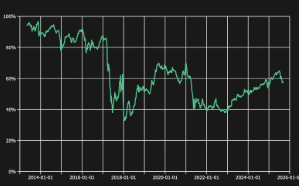
Market capitalization in crypto provides a relative size snapshot, calculated as price times circulating supply and updated by live data. It helps rank projects and gauge scale, but it does not reveal intrinsic value or future potential. Liquidity, distribution dynamics, token unlocks, and velocity can distort signals. The metric should be used alongside normalized, cross-asset analyses to avoid misinterpretation, leaving open questions about what truly drives a project’s sustainability and growth.
What Market Cap Tells You About a Crypto Project
Market capitalization provides a snapshot of a crypto project’s relative size but not its intrinsic value or future potential. The metric frames scale but not sustainability, granting room for misleading signals amid hype.
Investors should assess liquidity risk, price discovery, and distribution dynamics, recognizing that cap rankings can obscure concentration, liquidity gaps, and token unlocks affecting possible exit options and risk-adjusted returns.
How Market Cap Is Calculated in Crypto
How is crypto market capitalization determined, and what x-ray can that metric provide? Market cap is the product of price and circulating supply, reflecting current market value. Calculation methodology relies on live price feeds and accurate supply figures, exposing shifts in demand and liquidity. Precise circulating supply figures reduce distortion, enabling clearer comparisons across assets and signaling relative market prominence.
Limitations and Caveats You Should Trust
Limitations and caveats accompany the use of market capitalization as a proxy for crypto value. The metric distorts value when liquidity, centralized supply mechanics, or exchange dynamics skew price and liquidity signals. Analysts must distinguish misleading metrics from robust signals, recognizing that token velocity can inflate turnover, masking true demand. Caution ensures cautious interpretation and prevents overgeneralization.
Using Market Cap to Compare Tokens in Practice
Assessing tokens by market cap in practice requires careful, data-driven comparison across assets with similar use cases and liquidity profiles, while accounting for differing supply dynamics and exchange behavior. Methodologies emphasize normalized metrics, cross-exchange data, and liquidity-adjusted capitalization. Token liquidity and governance impact influence reliability; investors must distinguish superficial rankings from intrinsic value, seeking transparent, auditable datasets for freedom-minded evaluation.
See also: Blockchain in Insurance Industry
Frequently Asked Questions
How Does Market Cap Relate to a Token’s Price Versus Supply?
Market cap reflects price times supply; price rises with demand while circulating supply remains, but a larger supply can dilute impact. Token distribution and exchange listings influence liquidity, volatility, and perceived value, shaping market cap dynamics for freedom-seeking investors.
What Is Fully Diluted Market Cap and When to Use It?
Fully diluted market cap represents total value if all tokens were issued and circulating. It’s useful for comparing potential scenarios and evaluating market cap concepts, especially when supply growth is anticipated. It aids freedom-loving, data-driven assessments.
Can Market Cap Indicate Future Price Movement or Potential?
Market cap alone does not reliably indicate future price movement; it offers speculative signals and reflects liquidity depth, not certainty. Data-driven scrutiny shows correlations exist but are contingent on broader market conditions and liquidity dynamics. Freedom-minded readers should diversify indicators.
How Do Token Burns or Minting Affect Market Cap?
Token burns reduce circulating supply, potentially raising price and altering market cap; minting increases supply, potentially diluting value and lowering market cap if demand doesn’t match. Minting effects depend on token utility, demand, and timing, not automatically predictive.
What Role Do Circulating Supply Estimates Play in Calculations?
Circulating supply estimates calibrate market cap calculations, informing price discovery with real-time scarcity signals; ironically, precision falters as tokens move, yet data-driven scrutiny remains essential for an audience seeking freedom from guesswork.
Conclusion
Market cap offers a snapshot of relative size, not intrinsic value. In crypto, price and circulating supply drive this figure, but liquidity, velocity, and unlock dynamics can skew signals. A data-driven approach, normalizing for liquidity and cross-asset comparisons, yields clearer context. Some may argue market cap alone suffices for ranking; however, that view overlooks distribution and market depth. When used judiciously with complementary metrics, market cap remains a useful, but not definitive, lens for assessment.